Popular Books
“After nourishment, shelter and companionship, stories are the thing we need most in the world.”
― Philip Pullman
The Human Grid Trilogy
When the lights of civilization go out,
one community discovers a new way to bring them back.
Plot
In the small Pennsylvania town of Perkasie, former Army Corps of Engineers power specialist Buddy Anello refuses to accept that the lights must stay out forever. Drawing on his wartime experience keeping a field hospital alive with nothing but ingenuity and determination, Buddy proposes an audacious idea: generate electricity using human power.
Bicycles become generators. Engineers become inventors. An entire community begins pedaling in shifts to power homes, clinics, and communication systems. What begins as a desperate experiment soon grows into something far greater — a new kind of electrical grid built not on fuel or corporate control, but on cooperation.
But power has always attracted conflict. As the Human Grid grows, outside forces begin to notice. Some believe electricity must remain centralized and controlled. Others see a new future emerging from ruins.
Caught between hope and danger, Buddy and his community must decide whether their fragile new system can survive the pressures of a changing world.
In a story that blends engineering ingenuity with human resilience, The Human Grid explores what happens when ordinary people discover that the most powerful energy source of all may be each other.

Plot
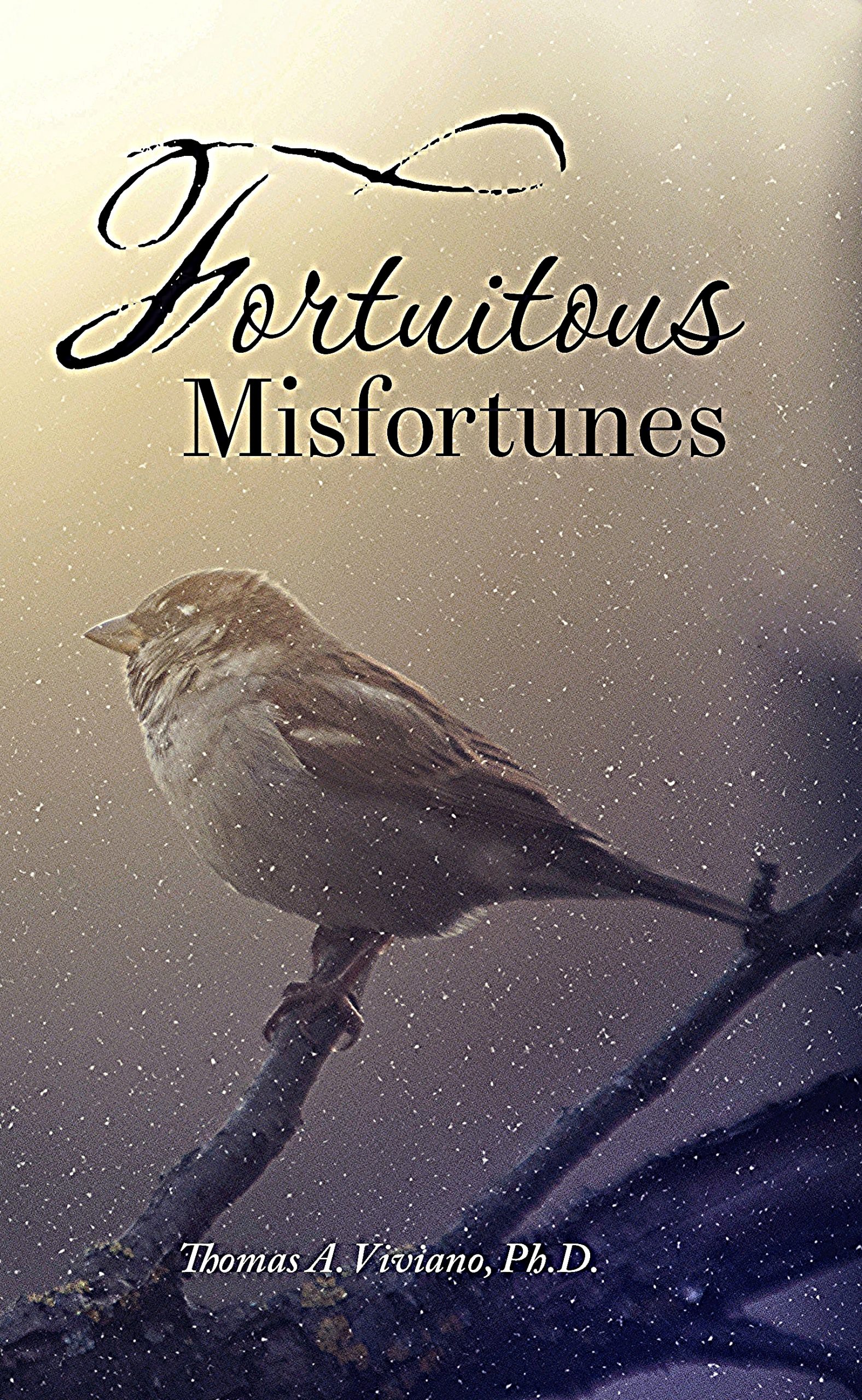
Do you believe your childhood adversities prevented you from getting the education you deserved? Are you bitter about what you had gone through and wished things could have been different? Do you believe your window of opportunity for an education is closed? Fortuitous Misfortunes offers solutions to these questions and takes you through a boy’s life into adulthood who had limited resources and a background rich in educational disadvantages.
Many books speak to someone who has gone through a devastating childhood or a life filled with debilitating disease, extreme poverty, or a war-torn existence, but this book is about you and me and about the subtle adversities and misfortunes that may have led us just to the falling edge of realizing your educational dream. It helps us to realize that education is lifelong, even well beyond the formal education years.
This book will take you on a journey of one young boy’s adversities and setbacks and offer solutions and advice on the shoulders of great modern-day philosophers. This book will help you look your misfortunes in the eye and help you navigate through them by using the story of one man’s example.
Achieving Equinimity
Paths to balance and serenity. Please email me to purchase a copy of this book.
Plot
This book takes a look at my attempt at practicing equanimity, serenity, and balance by using exercise, sun gazing, nutrition, music, and positive attitude. After reading this, it is my hope that you will share your own methods and experiences in your own book of how you readched sustainable equanimity; whether itbe through meditation, yoga, nutrition, exercise, prayer, or other strategies. If you don’t implement any of there or other approaches and feel that you could benefit from learning how to live a more balanced life, I hope this book will inspire you to experiment with your own hobbies and interests to help you find this.


The Subject-Specific Teacher Evaluation Series
Focuses in curriculum in CTE, Mathematics, Social Science and History, Science, and English Language Arts.
Plot
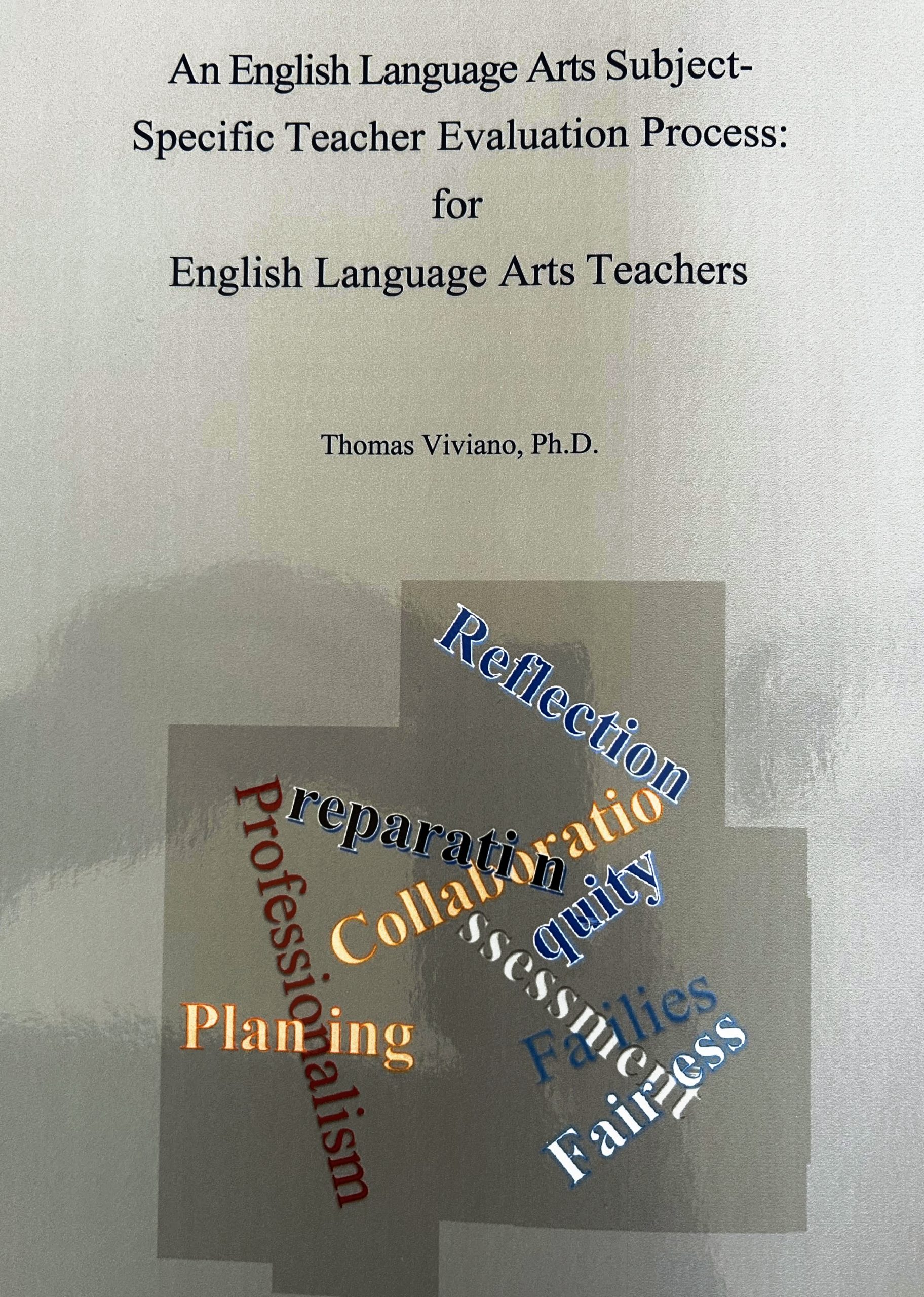
There are many good frameworks out there for educational administrators to use to evaluate and assess teachers. The drawback of some of these are that they are of a one-size-fits-all format. Whether
you are an elementary school generalist teacher, a middle school science teacher, a secondary physics teacher, or a career and technology education teacher, you are being evaluated the same way. This is probably not a bad way to evaluate pedagogy in general, but it leaves gaps in understanding truly what a teacher is capable of in their specific discipline. This book begins to zero in on what teacher in a specific discipline, in this case mathematics, should focus on. Using a subject-specific criteria provides a framework that:
- focuses on the specific curriculum of
- focuses on the age and grade specific areas from ninth to twelfth
- provides system of examples and evidence that assures teachers can be successful without guessing on what a teacher should know to become an advanced educator.
- provides user friendly electronic evaluation check-off sheets that requires very little writing on the part of the teacher and evaluator.
- Is flexible and can be molded to specific school needs